The Allure of the Casino Environment
The casino environment is meticulously designed to captivate and stimulate the senses of its patrons, making it a perfect setting for those seeking entertainment. In fact, many players are drawn to options such as $10 neosurf deposit casino games that offer an engaging experience. The moment visitors step inside, they are greeted with the sound of jingling coins, the lively chatter of excited players, and the visual spectacle of colorful lights and flashing screens. This immersive experience creates a sense of euphoria that is hard to resist, making it a fertile ground for psychological exploration. The ambiance is carefully curated to encourage players to lose track of time and their inhibitions, often leading them to gamble more than they originally intended.
One of the psychological tactics employed by casinos is the use of sensory overload. Bright lights and loud sounds are not just for entertainment; they serve to heighten excitement and keep gamblers engaged. The various smells and tastes, such as free drinks and delicious food, also play a significant role in creating a comfort zone. When people feel good physically, they are often more willing to risk their money, believing that they are in a safe and welcoming space regardless of the financial stakes involved. This psychological phenomenon is key to understanding why many individuals find it easier to gamble in a casino compared to other environments.
Moreover, the layout of a casino is intentionally designed to encourage exploration. With no clear exits and an open floor plan, visitors find themselves meandering through various gaming areas. This lack of navigation can contribute to a feeling of being ‘lost’ in a fantasy, which keeps players in the casino longer. The thrill of potential winnings, paired with sensory experiences, often leads players to disregard the risks associated with gambling, creating a compelling cocktail of excitement and danger.
The Role of Cognitive Biases in Gambling
Cognitive biases play a critical role in how individuals perceive gambling and their chances of winning. Many gamblers tend to overestimate their chances of success due to the illusion of control, a psychological phenomenon where players believe they can influence the outcome of a game based on their actions. This bias can lead to poor decision-making, as players may continue to gamble in hopes of reversing losses or achieving the next big win. By focusing on the excitement rather than the statistical realities of their choices, gamblers are often drawn deeper into the cycle of risk.
Furthermore, the gambler’s fallacy—a misunderstanding of probability—persuades individuals to make irrational bets. Players might think that a winning streak is ‘due’ to end or that a losing streak cannot continue indefinitely, leading them to chase losses. Casinos capitalize on these biases by providing variable rewards; the randomness of winning combined with the hope for improvement drives players back to the tables time and again. Such misguided beliefs play into the casino experience, reinforcing the notion that skill, rather than luck, can sway outcomes.
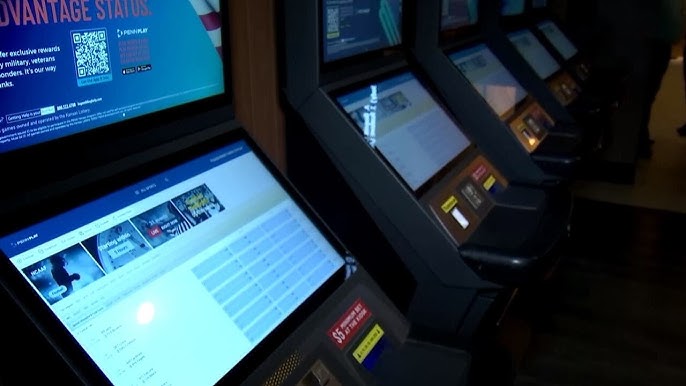
Understanding these cognitive biases is essential for both gamblers and casino operators. While players may misinterpret odds and probabilities, casinos are fully aware of these perceptions and often utilize them to encourage further gambling. Promotions and marketing strategies frequently highlight big wins, selectively showcasing success stories and downplaying losses, which reinforces these biases in the minds of potential gamblers. This interplay between human psychology and casino marketing creates an environment where responsible gambling becomes increasingly challenging.
The Impact of Emotion and Group Dynamics
The emotional state of a gambler can significantly influence their behavior at the casino. Emotions like excitement, anxiety, and even fear can change the way individuals bet and make decisions. For instance, during a winning streak, a player may feel invincible, leading them to take larger risks than usual. Conversely, losses can evoke feelings of frustration or desperation, prompting gamblers to chase their losses in an attempt to regain control. This emotional rollercoaster creates a cycle of highs and lows that can be addictive, as players seek to recapture the euphoric feelings associated with wins.
Group dynamics also play a prominent role in casino gambling. The social atmosphere can amplify emotions, as players often feed off each other’s excitement or despair. Whether it’s cheering on a friend at the poker table or sharing in the elation of a jackpot win, the communal experience can shape how individuals approach gambling. This social element can further push individuals beyond their comfort zones, as they may feel compelled to continue playing to maintain a sense of belonging within the group. The desire to socialize while gambling thus intertwines with the quest for financial gain, complicating the psychological motivations behind the behavior.
Moreover, the presence of others can lead to a phenomenon known as ‘group think,’ where individuals might prioritize group consensus over their judgment. In a casino, this can manifest in various ways, such as agreeing to continue betting despite personal reservations. The shared experience can dilute personal accountability and rational thinking, resulting in gambling decisions driven more by social influences than sound financial reasoning. Understanding these emotional and social factors can help both individuals and gambling establishments navigate the complex interplay of psychology within the casino atmosphere.
Warning Signs of Gambling Addiction
Recognizing the warning signs of gambling addiction is crucial to maintaining a healthy relationship with gambling. Many individuals might start with casual play, but as the desire to win grows, they may begin to overlook the negative impacts on their finances and personal life. Common indicators include spending more time and money than intended, feeling restless or irritable when trying to cut back, and hiding gambling activities from friends and family. In more severe cases, individuals may resort to deceit or theft to fund their gambling habits, highlighting the drastic consequences that can arise from unchecked compulsive behavior.
Gambling addiction often creeps up gradually, making it difficult for individuals to recognize the severity of their situation until it becomes overwhelming. The blend of excitement and risk can create a powerful lure that alters one’s priorities, leading to neglect of responsibilities or relationships. Acknowledging these changes is essential for intervention, as individuals might struggle to do so on their own. Support systems, such as family members, friends, or professional counseling, are vital in helping individuals confront their gambling habits and seek healthier outlets for their emotions and social needs.
Additionally, some organizations and resources are available to assist those grappling with gambling addiction. These entities provide vital support by helping individuals understand their addiction and offering tools to regain control of their finances and lives. By fostering a supportive environment, individuals can work towards recovery, breaking free from the psychological shackles that gambling often imposes. Understanding the psychology of gambling addiction is key to prevention and recovery, enabling both gamblers and their support systems to navigate the challenges posed by this complex issue.
Exploring Our Website for More Insights
Our website serves as a comprehensive resource for anyone seeking to understand the intricate relationship between psychology and casino gambling. We offer a wealth of information that not only delves into the psychological aspects of gambling behavior but also discusses strategies for responsible gaming. By exploring the various topics available, you can gain insights that help you make informed choices about gambling, whether for fun or as part of a more serious commitment to gaming.
In addition to articles and research, we provide tools and resources aimed at promoting responsible gambling practices. Whether you are a casual player or someone concerned about a potential gambling problem, our goal is to empower individuals with knowledge that encourages safer interactions with gambling environments. Understanding the psychological triggers involved in gambling is crucial for anyone looking to enjoy their gaming experience while minimizing risk.
Join our community to stay updated on the latest findings and discussions surrounding gambling psychology. Engage with like-minded individuals who share your interests and learn from experts in the field as we collectively explore the complexities of gambling behavior. Your journey towards understanding and responsible gaming begins here, and we’re excited to be part of it.